Custom Injection Molding & Mold Manufacturing
From DFM and mold making to injection molding production. Send your CAD files or drawings for engineering review and a project quotation.
Injection Molding Capabilities for Project Review
Confirm the production range, tooling route and inspection support before you share a full RFQ.
Factory, Tooling and QC Evidence
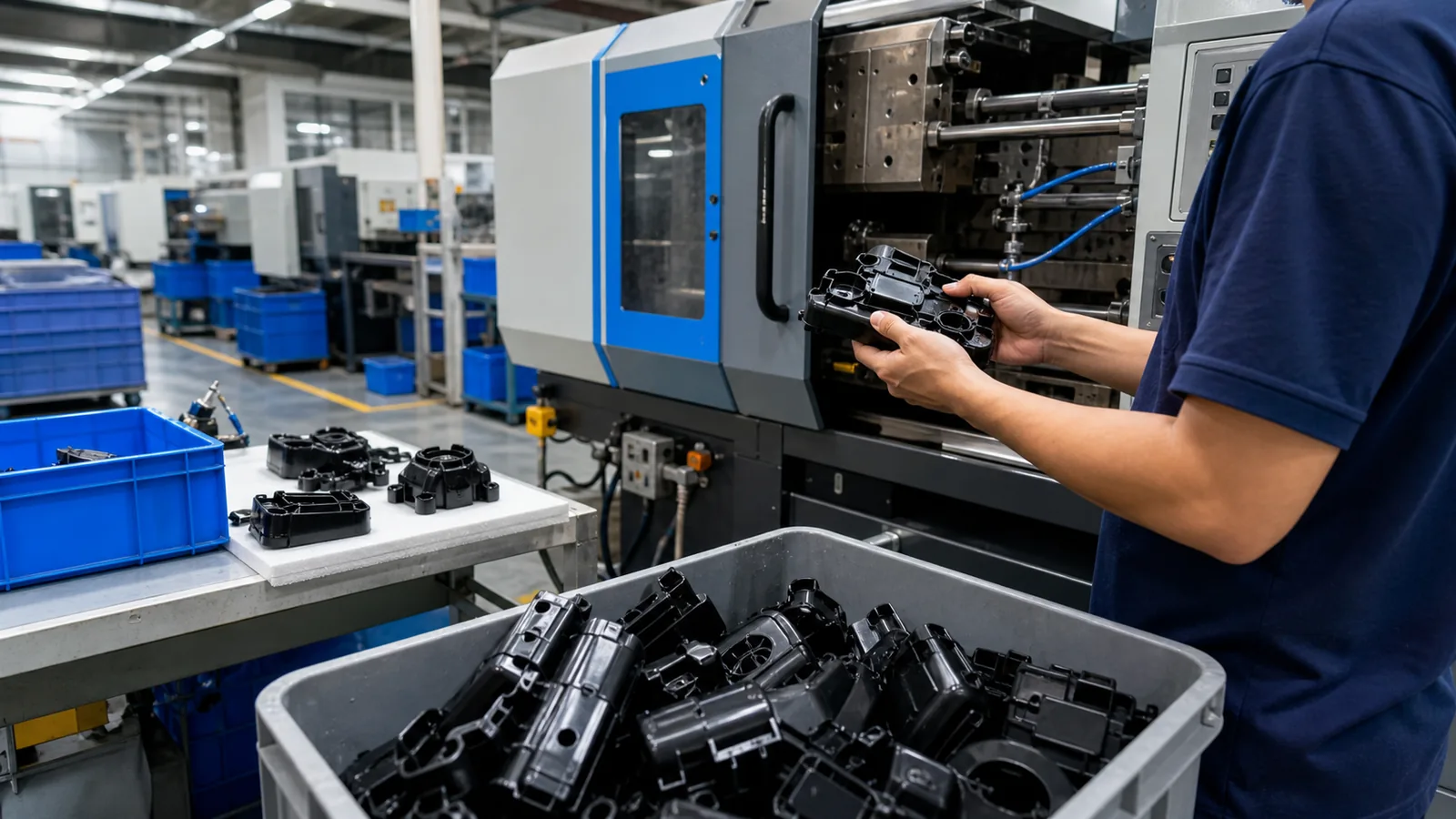
Injection Molding Production
Production planning across 50T-350T injection machines.
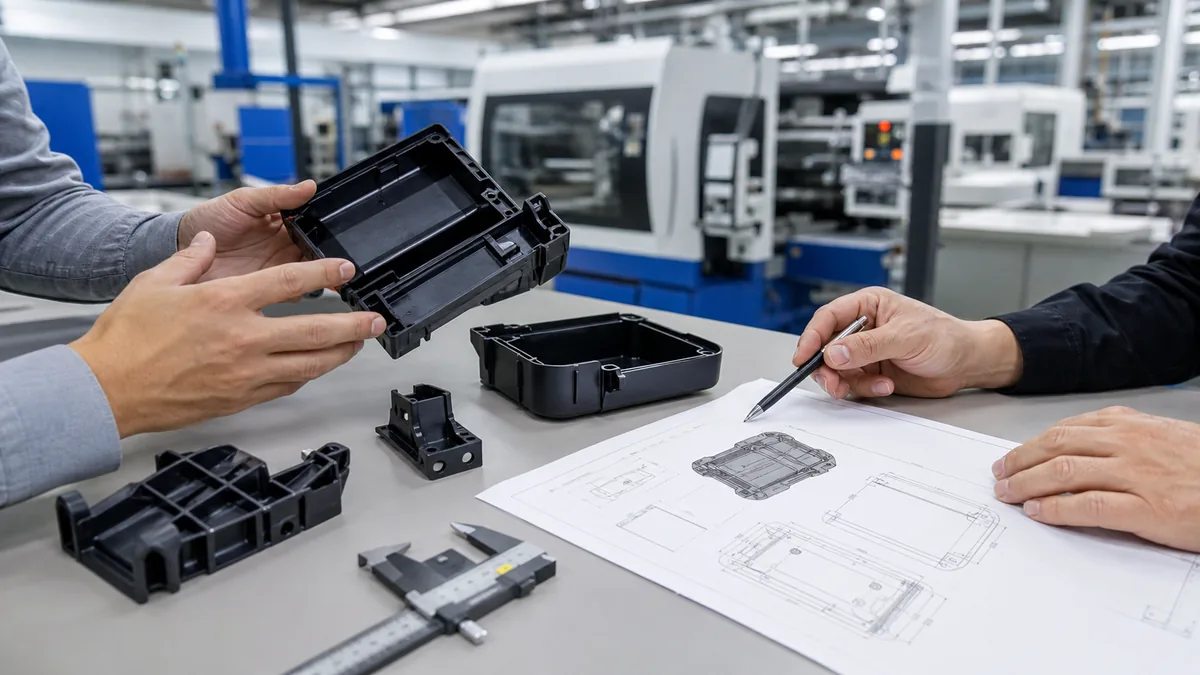
Mold Engineering & Manufacturing
DFM, CNC, EDM, fitting, polishing and mold trial support.
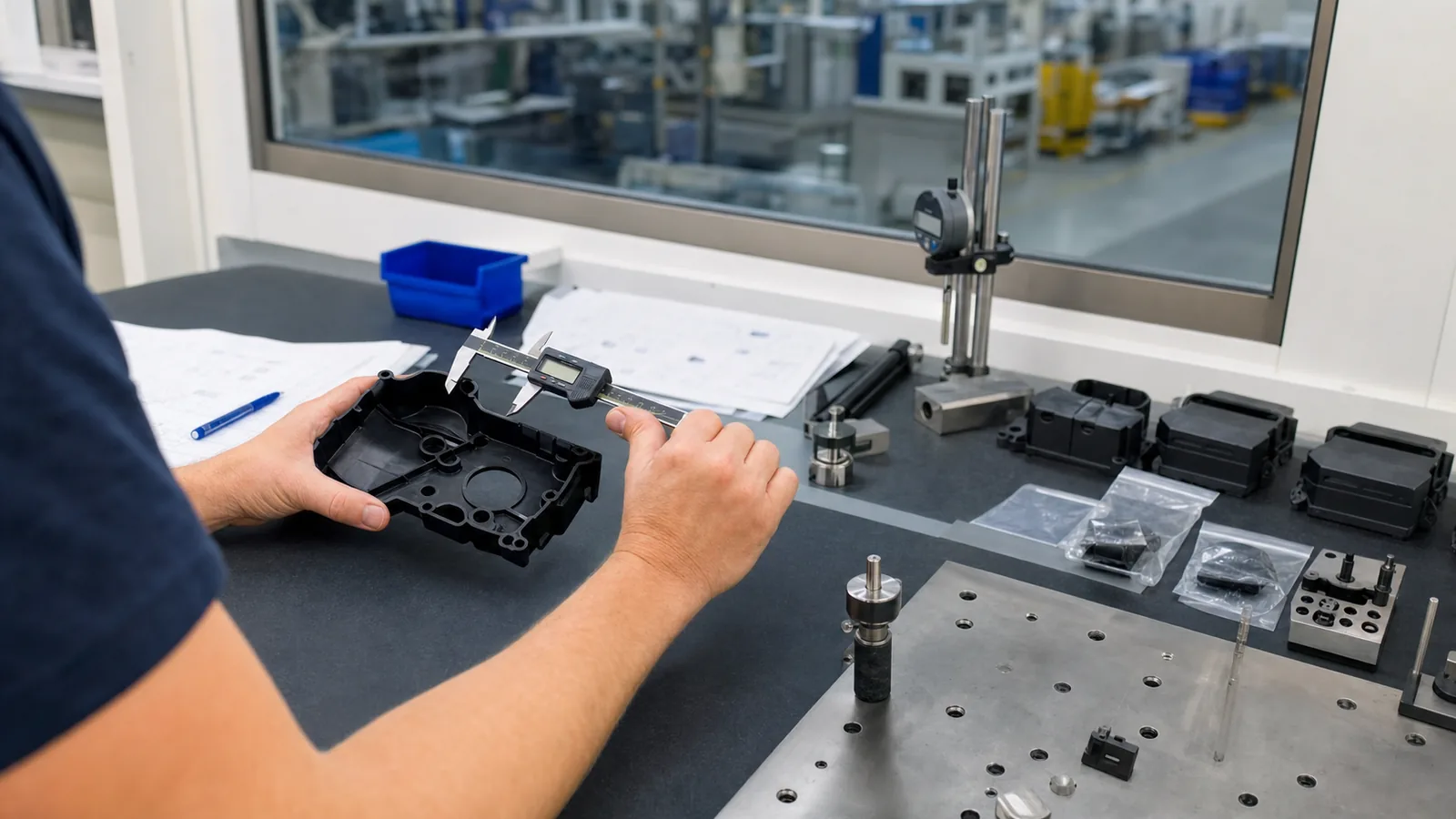
Inspection for Molded Parts
First-article, in-process and final inspection for production orders.
Send the files you have
Upload CAD, drawings, PDF specifications or product images. Material, quantity and application details help us review the RFQ faster.
Choose an Injection Molding Service
Choose the project route that matches your current stage. Each page below has a different role, so a production inquiry is not mixed with a tooling, pilot-run or prototype request.
Injection Molding Project Process
Understand the RFQ, DFM, tooling, trial, inspection and export-packing process before production starts.
Custom Injection Molding
Custom molded parts for OEM applications, including housings, brackets, covers and assemblies.
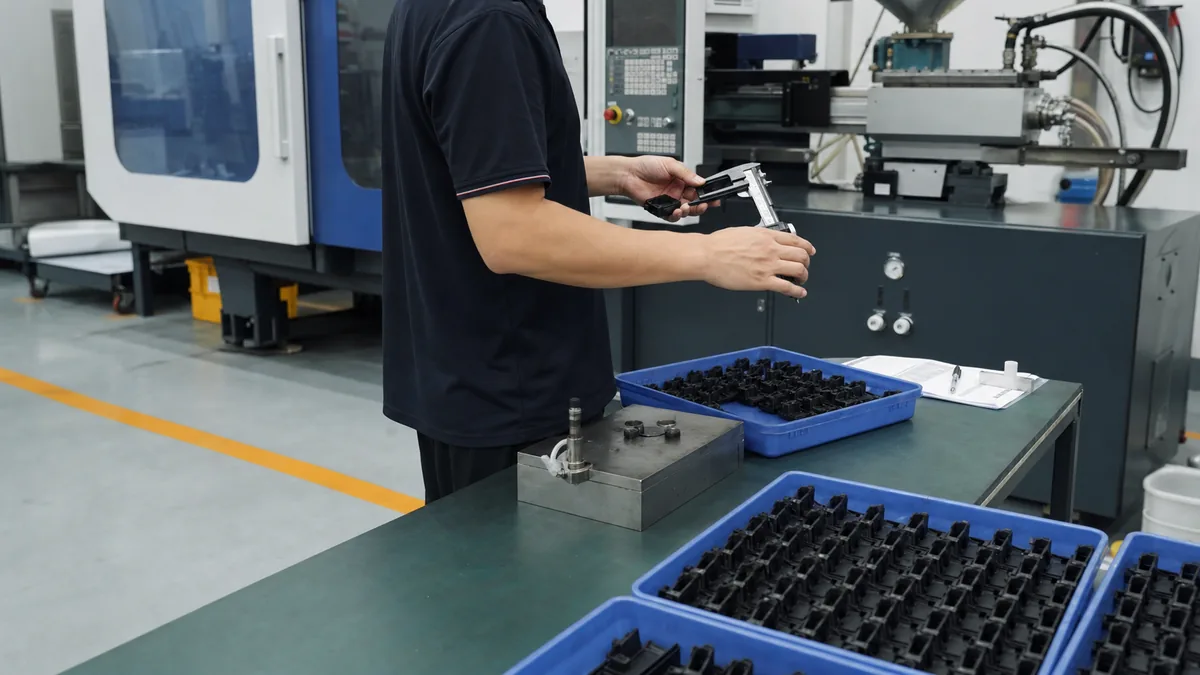
Low Volume Injection Molding
Bridge production, launch batches and smaller recurring orders with controlled inspection.
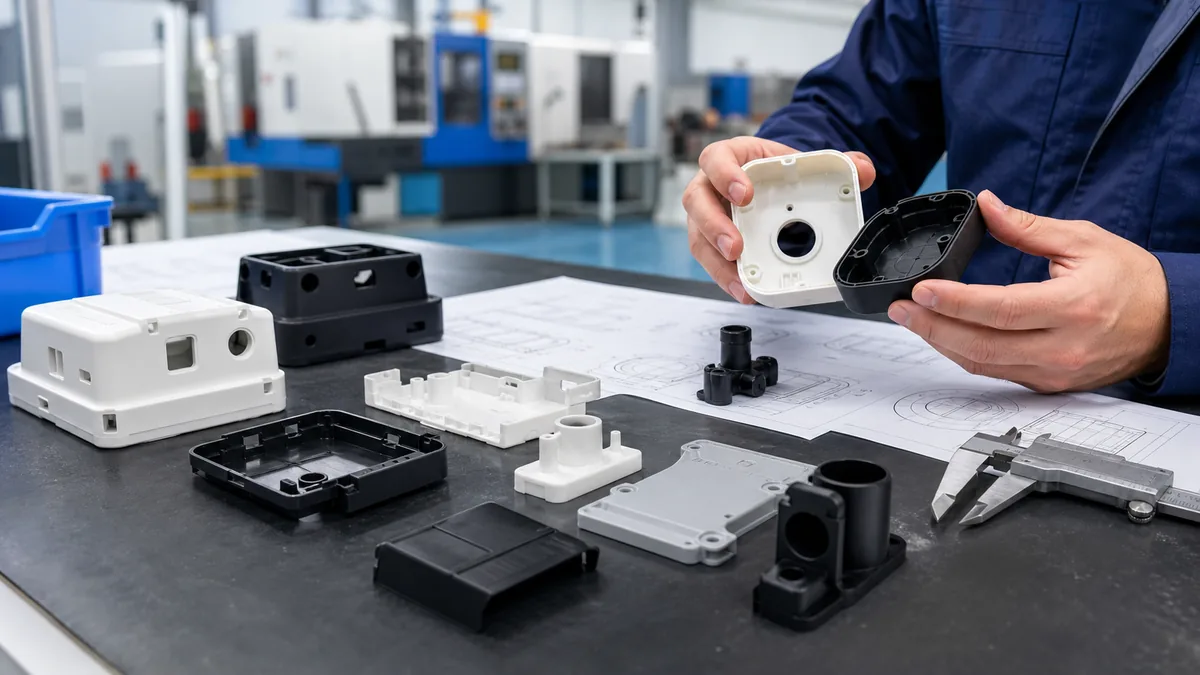
Prototype Injection Molding
Molded samples for engineering validation, assembly testing and market review.
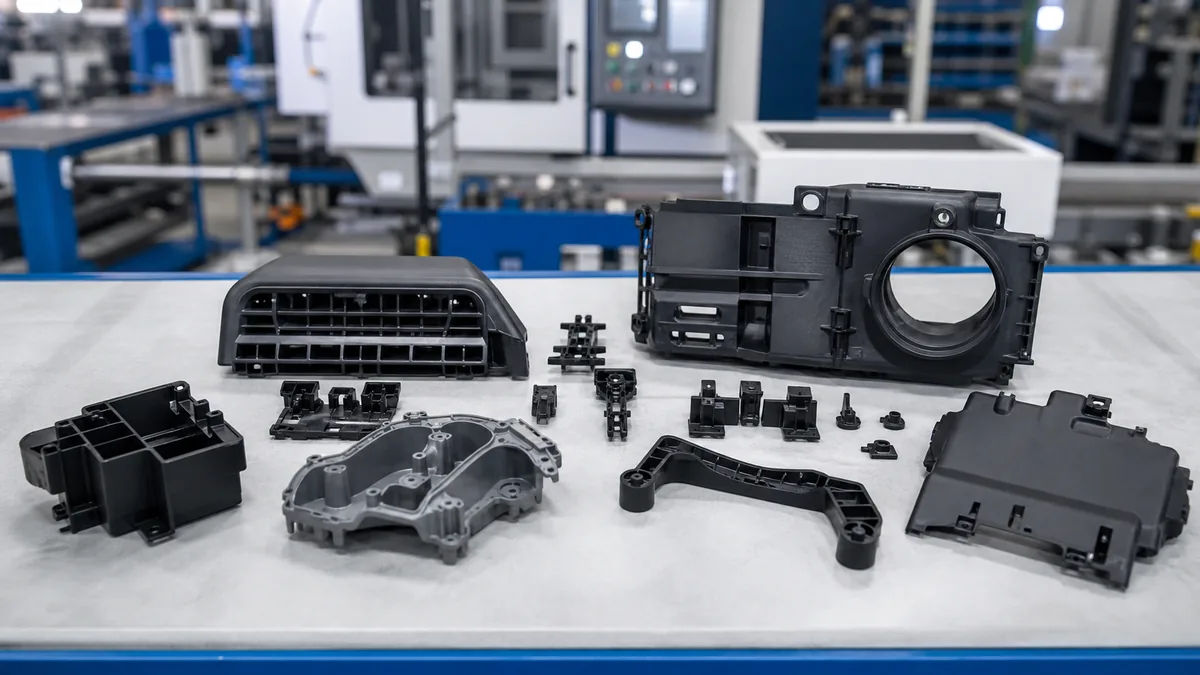
ABS Injection Molding
ABS housings, covers and appearance parts requiring impact strength and stable finish.
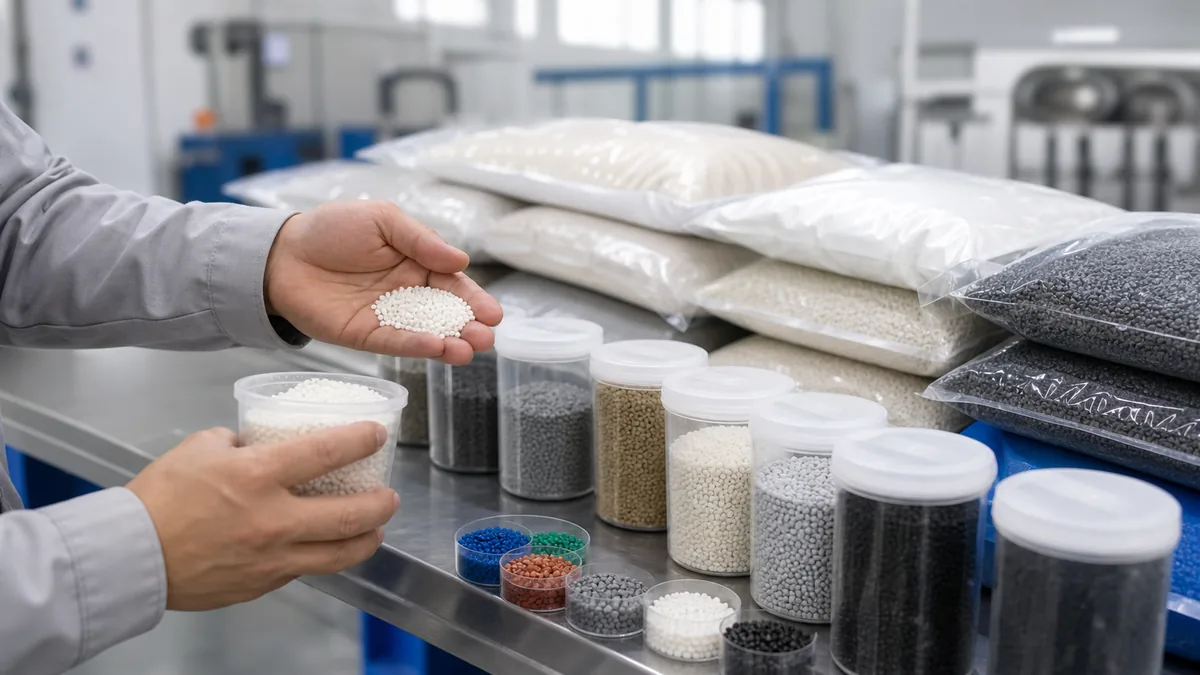
PP Injection Molding
Lightweight PP parts for functional applications, chemical resistance and flexible design needs.
DFM Support Before Mold Manufacturing
Before steel cutting, we review manufacturability risks that can affect molded part quality, tooling cost and production stability.
- Wall thickness, ribs, bosses and draft angle review
- Gate location, parting line, ejector marks and appearance risks
- Sink marks, weld lines, air traps and warpage concerns
- Material selection based on strength, heat, impact and cost target
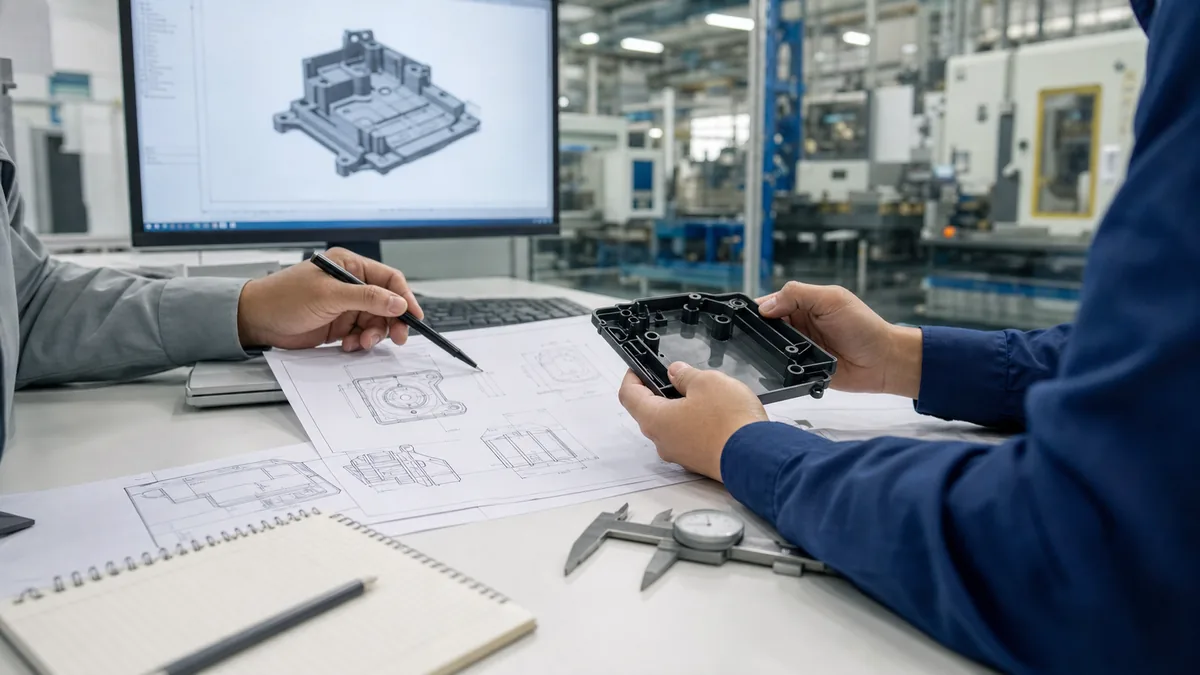
From RFQ to Molded Parts
A clear process helps purchasing managers and engineers reduce revision cycles and manage project risk.
3D files, drawings, material, quantity and application details are checked.
Manufacturability risks and practical changes are discussed before tooling.
Gate, cooling, ejection, steel and cavity layout are confirmed.
CNC, EDM, fitting, polishing and assembly are controlled.
Trial samples are molded, measured and adjusted.
Customer feedback and engineering changes are handled.
Approved process settings support stable molding.
Final checks and export packing are completed before shipment.
Plastic Materials We Commonly Process
Material selection is reviewed according to part function, environment, surface finish and production volume.
| Material | Typical Use |
|---|---|
| ABS | Housings, covers and cosmetic parts |
| PP | Lightweight parts, caps and chemical-resistant components |
| PC / PC-ABS | Stronger housings, electronics and impact-resistant parts |
| PA / POM | Functional parts, wear-resistant components and brackets |
| TPU / TPE | Flexible, soft-touch and sealing components |
Applications for Custom Injection Molded Parts
We support molded components where dimensional stability, appearance, assembly fit and repeat production matter.
Automotive
Interior parts, clips, covers, brackets and functional molded components.
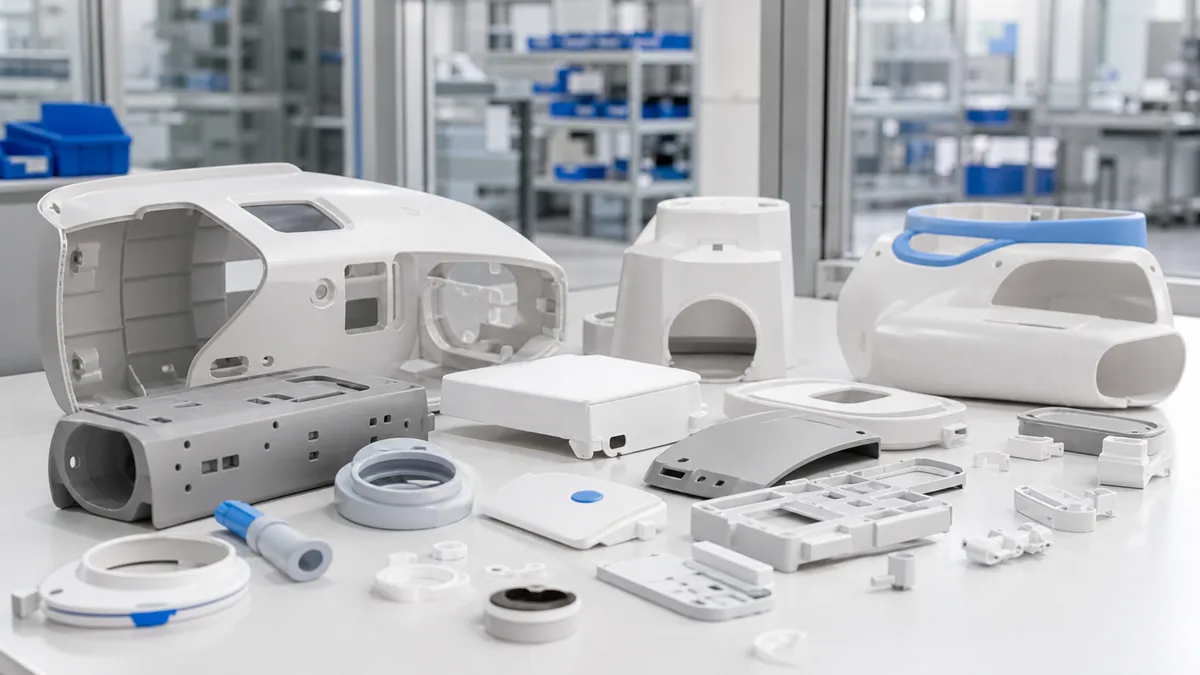
Medical
Device housings, covers and plastic components requiring careful handling.
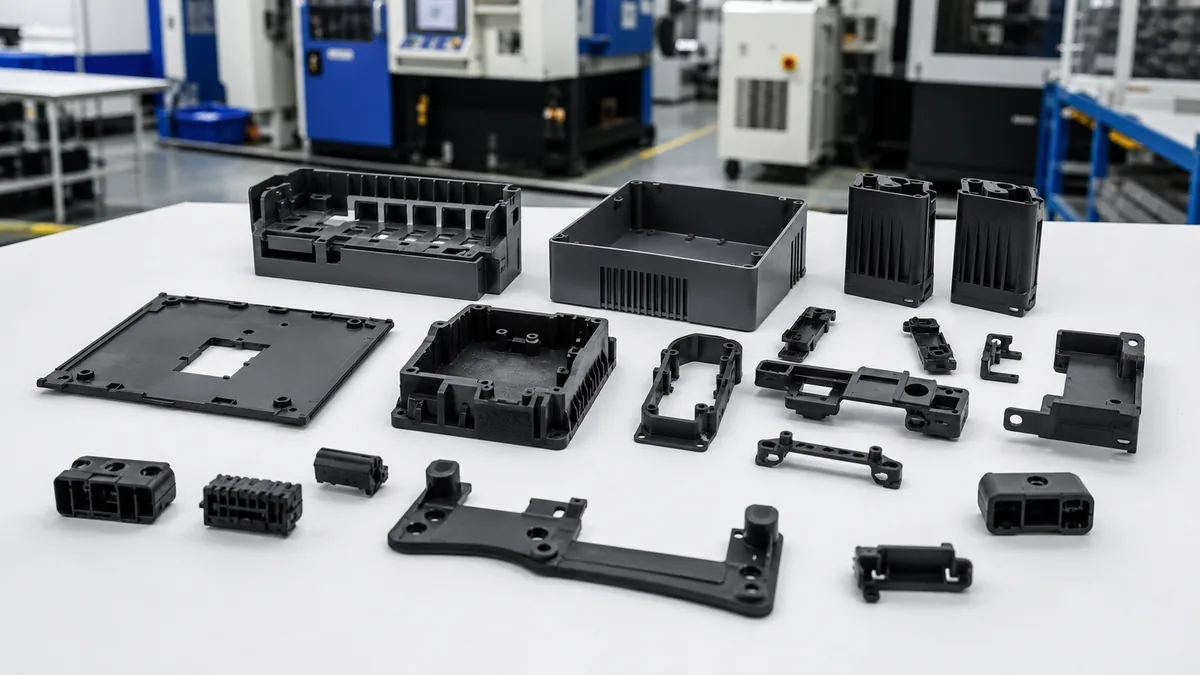
Electronics
Enclosures, connector housings, brackets and precision plastic parts.
Inspection for Molded Plastic Parts
Quality control is built into the workflow from incoming material review to sample approval and production inspection.
- Incoming material inspection and material document review
- First article inspection for mold trial samples
- In-process inspection during injection molding production
- Final inspection, packaging review and shipment preparation
Injection Molding FAQ
What files should I send for quotation?
STEP, STP, IGES, X_T or SLDPRT files are preferred. PDF, DWG, DXF and product photos are also helpful.
Can you provide DFM analysis?
Yes. We review wall thickness, draft, ribs, undercuts, gate location, weld lines, sink marks and assembly risks before mold manufacturing.
Can you support low-volume production?
Yes. We support prototype samples, validation builds, bridge production and low-volume molded part orders.
Can you ship molded parts to the United States and Europe?
Yes. We can discuss export packing, carton labeling and shipping documentation based on your project requirements.
Ready to quote an injection molding project?
Upload CAD files, drawings, PDF specifications or product images. We will review your material, tooling and production requirements.
Injection Molding Capability Data
These figures describe the planning range for custom injection molding projects. Material, part geometry, mold structure and customer requirements determine the final production plan.
Materials Processed
ABS, PC, PC+ABS, PP, HDPE, PA6, PA66, PA66 + GF20%, POM and TPU.
Machine and Cavity Range
50T-350T injection machines, including Tederic D250 and D350. Production support covers 1-32 cavity molds and parts from small precision components to larger plastic housings.
Dimensional Capability
General dimensions: ±0.10-0.20 mm. Precision dimensions: ±0.05-0.10 mm. Assembly requirements are controlled according to the drawing.
Project Stage Planning
Project planning can cover prototype samples, pilot supply, bridge production and repeat orders. The appropriate route depends on the part, material, expected quantity and next production stage.
Lead Time Planning
DFM analysis is normally planned within 1-3 working days after complete project information is received. 3D printed prototype planning is typically 3-7 days. Mold production is generally planned at 30-45 days, with first mold trial at 35-50 days. Production scheduling is confirmed from the actual project requirements.
Inspection and Export Packing
Incoming material inspection includes resin, material certificates and color confirmation. First-article, production and final inspections cover dimensions, appearance, function, quantity and packing. Export packing includes PE bags, bubble film, cartons and pallets; custom cartons, color boxes and foam inserts are available.

Talk to Yuming Molding
Send drawings or project details.
For molds, samples or plastic parts production, contact our team directly.
- WhatsApp+86 137 2678 8989
- Emailguangzhouyuming@gmail.com
- Phone+86 137 2678 8989