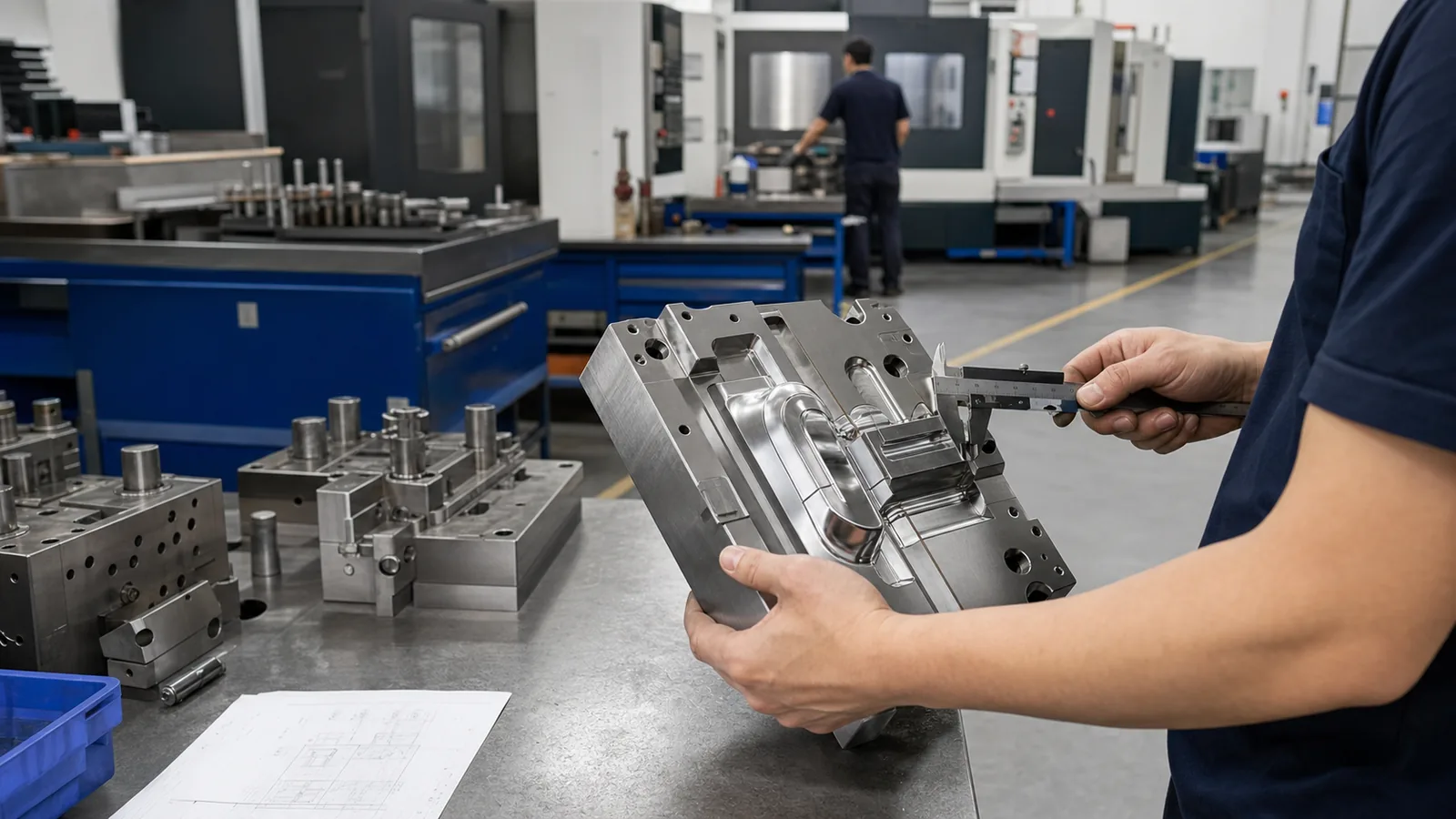
Low Volume Injection Molding for Pilot Runs and Bridge Production
Send your drawing, material, estimated quantity and next milestone. We review the tooling and production route for pilot builds, launch batches and bridge supply.
Still validating the design? Explore prototype molding.
Low-Volume Injection Molding Capabilities
Check the molding range, tooling route and inspection approach before sharing a full RFQ.
Production, Mold and Batch Inspection
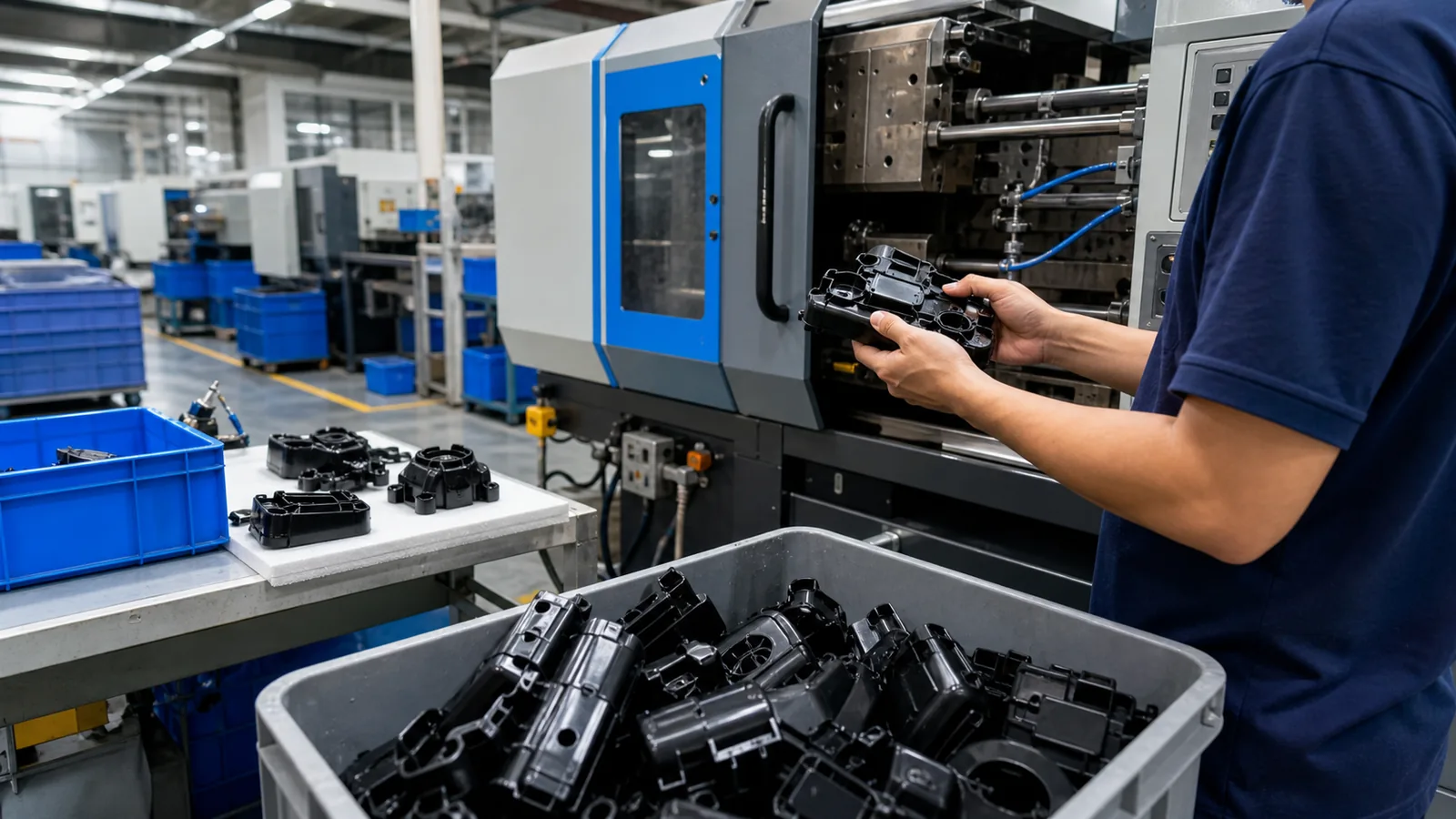
Injection Molding Production
Production planning across the 50T–350T machine range.
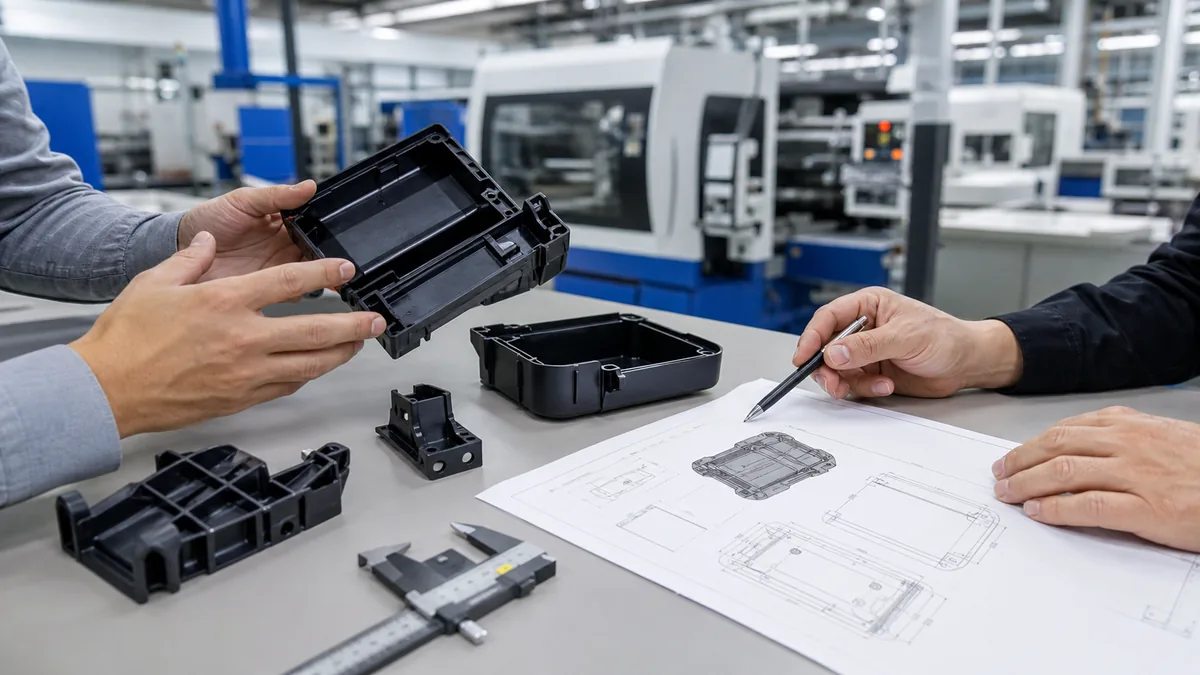
Mold Engineering
DFM, mold making and trial planning for the next project stage.
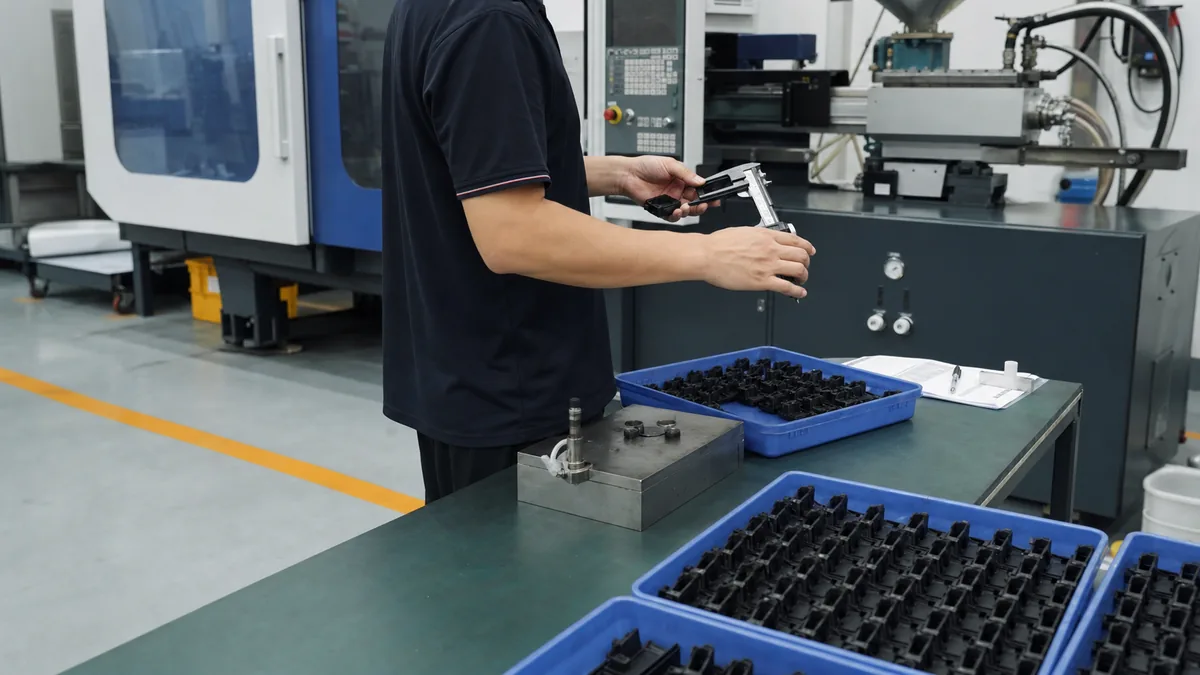
Batch Inspection
Dimensions and assembly checks can be planned against the agreed drawing.
Send the files you have
CAD, drawings, PDF specifications or product images are welcome. Material, estimated quantity and next milestone help us review your low-volume project.
Low-Volume Molding Is for the Stage Between an Idea and a Repeat Order
Low-volume molding is suitable when the project needs molded parts, but the long-term production plan is still developing. It can support early production, pilot supply, engineering changes, product validation, launch preparation and a bridge between prototype work and a larger repeat order.
The right route depends on the part design, material, expected quantity and how the part will be used.
Need to compare pilot supply with prototype, tooling or repeat production? Use the injection molding service guide.
Plan the next decision, not just the first order
Send the CAD file, intended material, estimated quantity and next milestone. This lets us consider whether the part is for validation, early sales, a launch or later repeat production.
Tooling and Cavity Planning for the Next Stage
For a low-volume project, the tooling and cavity plan should consider the likely future of the part, not only the first shipment.
1-32 Cavity Support
Tooling support covers 1-32 cavity molds. The selection should reflect the part, material, expected demand and possible future capacity.
50T-350T Production Range
Injection machines in the 50T-350T range are available for production planning, including Tederic D250 and D350 equipment.
Future Changes Considered
The route can account for likely design changes, repeat production and the need for additional output later.
Use the Material That Matches the Intended Part
Available materials include ABS, PC, PC+ABS, PP, HDPE, PA6, PA66, PA66 + GF20%, POM and TPU.
Low volume does not have to mean a generic temporary material. The final selection should be based on function, assembly, appearance and drawing requirements.
From DFM Review to First Mold Trial
DFM analysis is normally planned within 1-3 working days after complete project information is received. When a 3D printed prototype is appropriate, planning is typically 3-7 days.
Where production tooling is required, mold construction is generally planned at 30-45 days and the first mold trial at 35-50 days. Final timing depends on the part design, material, mold structure and customer requirements.
Quality Checks Before Evaluation, Shipment or Repeat Orders
| Project point | What is reviewed |
|---|---|
| Dimensions and assembly | Inspection can cover dimensions, assembly and trial-sample checks based on the agreed drawing. General dimensions are typically planned at ±0.10-0.20 mm; precision dimensions may be planned at ±0.05-0.10 mm. |
| Final requirement | Final acceptance requirements are confirmed according to the drawing and part function, including what must be checked before a repeat order. |
| Packing method | PE bags, bubble film, cartons and pallets are available. Custom logo cartons, color boxes and foam inserts can be arranged when required. |
Questions About Pilot and Bridge Production
What quantity counts as low volume?
The correct approach is based on the specific part, expected demand, material and next production stage. Rather than applying one fixed quantity, we plan the tooling and cavity arrangement around the actual project.
Can low-volume parts use production materials?
Yes. Available materials include ABS, PC, PC+ABS, PP, HDPE, PA6, PA66, PA66 + GF20%, POM and TPU.
Can the tooling support a later repeat order?
Tooling support covers 1-32 cavity molds. The mold and cavity plan can be reviewed with future production needs in mind.
How long does a low-volume project take?
DFM analysis is normally planned within 1-3 working days. A suitable 3D printed prototype may be planned in 3-7 days. Production mold construction is generally planned at 30-45 days, with first mold trial at 35-50 days.
Move From Pilot Supply to the Next Production Stage
A low-volume run can validate the part, the assembly and early demand before you commit to the next level of tooling or repeat production.
Plastic Mold Engineering
For tooling structure, cavity planning, CNC and EDM work, mold trials and future maintenance, review our plastic mold engineering support.
Custom Injection Molding for Repeat Production
Projects that move into repeat demand can transition to a production-ready custom injection molding route with drawing-based inspection and export packing options.
Before submitting an RFQ, you can also review the injection molding RFQ checklist or send your project details for a quotation.
For the RFQ-to-production sequence, see the injection molding project process.
Discuss your low-volume molding plan.
Send your part file, material requirement, estimated quantity and delivery target. We will help define a practical next step.

Talk to Yuming Molding
Send drawings or project details.
For molds, samples or plastic parts production, contact our team directly.
- WhatsApp+86 137 2678 8989
- Emailguangzhouyuming@gmail.com
- Phone+86 137 2678 8989