
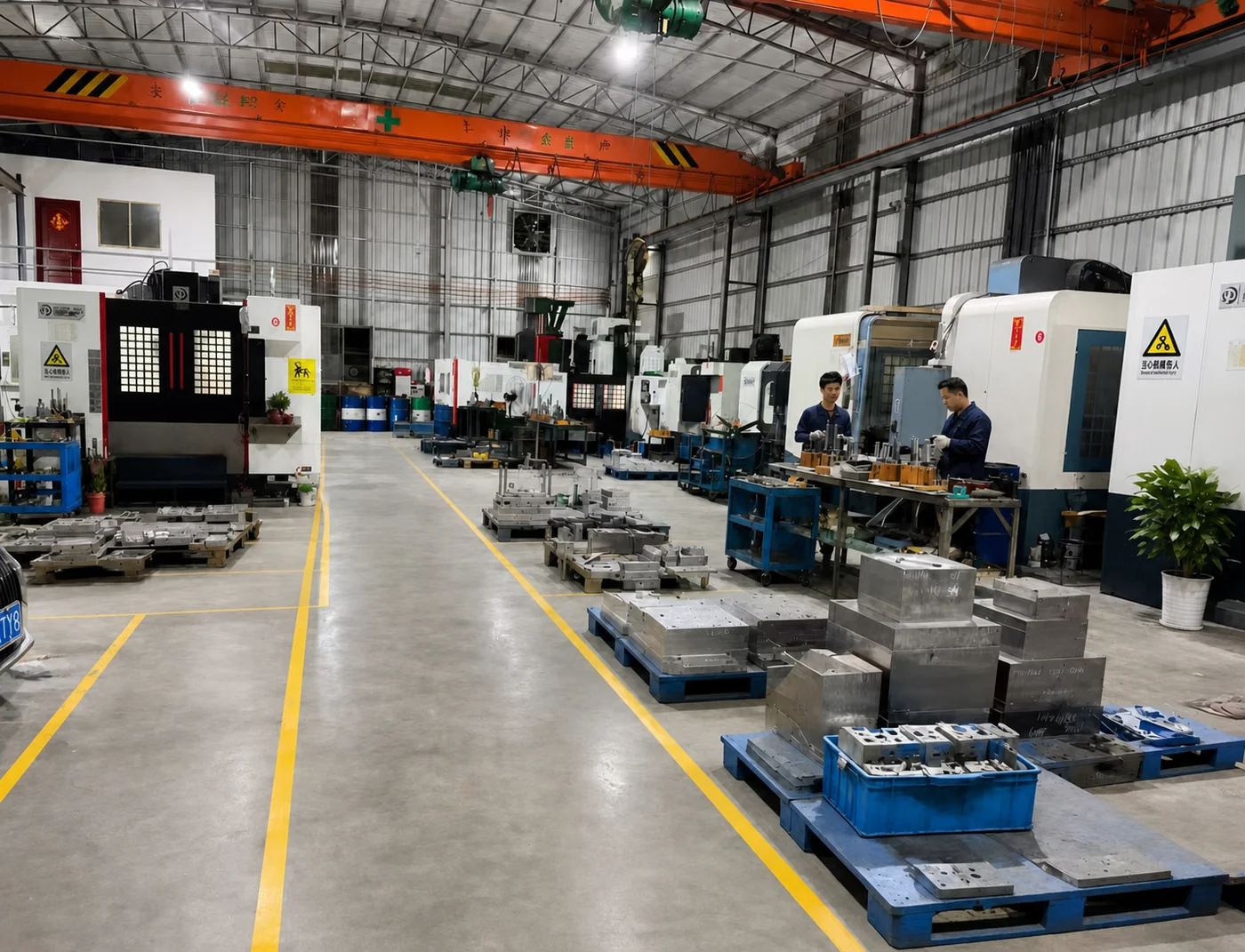
When a company pays for an injection mold, it is easy to assume ownership is obvious. In cross-border manufacturing, it is not always that simple. A purchase order may say “tooling,” the factory may hold the steel, and a few years later production may need to move. That is when unclear expectations turn into delay, cost, and difficult conversations.
Before tooling starts, buyers should agree the practical details: who owns the mold, where it can run, which files will be retained, and how a transfer would work. Clear terms protect both sides and make the production relationship much easier to manage.
1. Put mold ownership in writing
Your purchase order, tooling agreement, or contract should say who owns the finished mold once payment has been made. Use direct language such as “The buyer owns the mold” rather than relying on a general description of tooling charges.
Ownership should cover the mold base, inserts, sliders, spare inserts made for the project, and any dedicated gauges or fixtures that were included in the tooling scope. If a supplier contributes part of the initial tooling cost, clarify whether that changes ownership or simply affects the payment terms.
2. Confirm where the mold can be used
Some molds are designed for one factory’s press sizes, hot-runner preference, or process window. That does not mean the buyer is locked in, but it does mean a future transfer needs preparation.
Ask the supplier to confirm the mold’s required press tonnage, mold dimensions, connection standards, cooling layout, resin requirements, and recommended processing conditions. This information helps another qualified factory run the tool if your supply plan changes later.
For projects that are still at the design stage, review these questions alongside the injection mold manufacturing plan, not after the tool has already been built.
3. Keep the design and maintenance records
A mold is more than a block of steel. The useful record includes the 3D mold design, 2D drawings, BOM, steel grades, hot-runner details, mold-flow or DFM notes where applicable, and maintenance history. These documents save time when a tool needs repair, modification, validation, or transfer.
Buyers do not necessarily need every internal factory document on day one, but the agreement should state what will be available if the project moves or the mold requires major work. It is also sensible to define who approves engineering changes and how version control will be handled.
4. Define routine maintenance and repair responsibility
Normal cleaning, lubrication, and inspection are part of responsible production. Damage caused by misuse, material contamination, or unapproved process changes is a different matter. A short maintenance section avoids later disagreement.
Agree on the expected maintenance interval, who pays for ordinary wear parts, and how the supplier will report repairs. For high-volume parts, ask for a maintenance log with shot counts, work completed, replacement parts used, and current tool condition.
5. Agree the transfer process before it is needed
A transfer clause should cover practical steps, not just the phrase “mold transfer.” Confirm how much notice is required, what documents travel with the tool, how the mold will be packed, and whether trial support or engineering handover is included.
It should also confirm that there are no undisclosed storage fees, outstanding balances, or restrictions that could delay release. A serious supplier will be comfortable discussing this early because transparency is part of a long-term production relationship.
6. Match the agreement to the actual production plan
For prototype tools and short runs, a simple written confirmation may be enough. For an ongoing program with multiple cavities, precision requirements, or yearly volume commitments, the ownership and maintenance terms deserve more detail.
The best time to settle these points is while reviewing the part design, resin choice, and expected volumes. Our plastic injection molding services team can review those production details with you before tooling begins.
A practical checklist for buyers
- State that the buyer owns the mold after the agreed payment is completed.
- List what is included: mold base, inserts, fixtures, spare components, and records.
- Record press tonnage, mold size, utilities, and process requirements.
- Define maintenance, repair approval, and shot-count reporting.
- Agree how a future transfer will be handled, including documents and release timing.
- Keep the RFQ, drawings, purchase order, and engineering revisions together.
For a new project, the same discipline starts with a complete RFQ. See our injection molding RFQ checklist for the drawings, materials, and project details that help an engineering team quote accurately.
Planning a new mold or custom plastic part? Send your drawings, expected quantity, and tooling expectations. Our engineering team will review the information and reply within 12 working hours.
Leave a Reply